Types of Solenoid Valves - A Comprehensive Guide
Solenoid valves are critical components in industrial applications, enabling precise control of fluid flow (liquids and gases). This guide explores the various types of solenoid valves, their operation, and special applications.
How Do Solenoid Valves Work?
Components of a Solenoid Valve
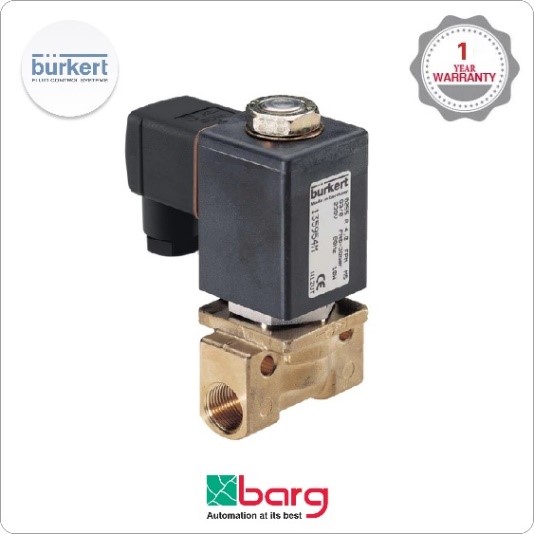
A solenoid valve consists of a coil, plunger (piston), spring, seal, and valve body. The coil is a wire wound around a core, and when energized, it generates an electromagnetic field. The plunger, made of iron or steel, sits inside the coil and moves up or down depending on the magnetic force. When the coil is de-energized, a spring moves the plunger back to its initial position. The seal controls the flow of fluid through the valve's orifice (a part of the valve body), either allowing or preventing the flow. The cooperation of all these components ensures precise and rapid fluid control.
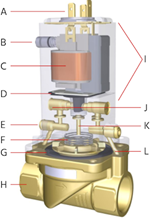
Figure 1 – Internal Components of a Solenoid Valve
· (A) Electrical connection
· (B) Manual operation
· (C) Coil winding
· (D) Sealing membrane
· (E) Speed control
· (F) Spring
· (G) Diaphragm
· (H) Valve housing
The open or closed state of the valve depends on the position of the plunger. In NC (Normally Closed) valves, when the coil is not energized, the plunger seals the orifice, stopping the flow of fluid. When the coil is energized, the plunger moves, opening the orifice and allowing the fluid to pass. NO (Normally Open) valves work in the opposite way; when the coil is not energized, the plunger allows the fluid to flow through the orifice, and when the coil is energized, the plunger moves to close the flow path. The rapid movement of the plunger ensures a quick response time, which is crucial in applications where precise fluid control is necessary. Matching the coil voltage to the power supply of your system ensures reliable solenoid valve operation and prevents damage to the coil.
Types of Solenoid Valves:
Solenoid valves come in various types, each designed for specific applications and operational needs. Understanding these types helps in selecting the right valve for your system.
Normally Closed (NC) vs. Normally Open (NO) Solenoid Valves
Normally Closed (NC) Valves:
This type of valve remains closed when the coil is not energized. The plunger seals the orifice, stopping the flow of fluid. When the coil is energized, the magnetic field lifts the plunger, causing the valve to open and allowing the fluid to flow. These valves are energy-efficient for applications where the solenoid valve needs to stay closed most of the time. They are also safer for systems that require automatic valve closure when power is lost (such as gas-powered devices).
Normally Open (NO) Valves:
This type of valve allows the fluid to flow freely when the coil is not energized. Energizing the coil pulls the plunger downward, sealing the orifice and preventing fluid flow. This design is suitable for applications where the fluid should flow continuously unless interrupted, such as cooling systems or pressure relief systems.
Bi-stable or Latching Solenoid Valves:
These valves maintain their last position without continuous electrical power. They use a permanent magnet to hold the plunger in place after it has been moved by an electric pulse. This significantly reduces energy consumption and is ideal for low-switching applications, such as irrigation systems or safety locks (e.g., a version of Type 6144 from Burkert).
Solenoid Valves with Direct, Indirect, and Semi-Direct Action
Direct Acting Solenoid Valves:
These valves are operated solely by the magnetic force of the solenoid, without relying on fluid pressure. They work well for low flow rates and pressures and provide quick response times. Their simple design makes them ideal for confined spaces and precise control needs.
For example, consider Burkert Type 0256.
Indirect (Pilot) Solenoid Valves:
These valves rely on pressure differential for operation. The solenoid valve controls a small pilot valve, which, when opened, changes the pressure on a diaphragm or piston, leading to the opening of the main valve. These valves handle higher flow rates and pressures but require a minimum pressure differential (around 0.5 bar) to function. They are commonly used in water treatment and industrial fluid control.
For example, consider Burkert Type 6281.
Semi-Direct Solenoid Valves:
These valves combine the principles of both direct and indirect solenoid valves. The solenoid directly moves the plunger, which helps open the valve by releasing pressure on a diaphragm. This design allows operation at zero pressure differential and supports higher flow rates than direct-acting valves. These valves strike a balance between energy efficiency and performance.
For example, consider Burkert Type 6407.
Normally closed valves are preferred for systems where safety is critical, while bi-stable valves save energy in low-switching applications. The choice of valve type can be determined based on the system's available power, safety needs, and flow control requirements.
Solenoid Valve Circuit Functions
Solenoid valves control the flow of liquids and gases by opening, closing, or diverting the flow of fluid. Their specific purpose depends on the number of ports and how these ports are connected during operation. The circuit function describes this behavior. Let’s explore the most common types: 2-way, 3-way, 4-way, and 5-way solenoid valves.
2-Way Solenoid Valves
2-way solenoid valves (e.g., Burkert Type 0255) have two ports: one for the inlet and one for the outlet. These valves simply allow fluid to pass between these two ports or prevent it. The flow direction is important for proper operation and is usually indicated by an arrow on the valve body. When energized, the valve either opens or stays closed to allow or stop the fluid flow. These valves are ideal for on/off control in simple systems such as water supply lines or gas shut-off.
Key Features:
- Two ports: inlet and outlet
- Controls fluid flow (on/off)
- Common in simple flow control systems
3-Way Solenoid Valves
These valves have three ports, each serving a specific function. Typically, these ports are:
- P (Pressure or Inlet): Where the fluid enters
- A (Actuator or Output): Connects to the equipment or actuator
- E or R (Exhaust or Return): Allows the fluid to exit or drain
Depending on how the coil is energized, the valve switches the fluid paths between these ports. For example, in a normally closed 3-way valve, when the coil is not energized, the inlet (P) is blocked, and the actuator (A) is connected to the exhaust (E). When energized, the coil opens the path between P and A and blocks the exhaust.
3-way valves are widely used in controlling single-acting pneumatic cylinders, allowing pressure build-up and exhaust through the valve.
Key Features:
- Three ports for flexible fluid control
- Switches between inlet, outlet, and actuator
- Common for controlling actuators and pneumatic equipment
For example, see Burkert Type 0330 (2/3 type).
4-Way and 5-Way Solenoid Valves
4-way and 5-way solenoid valves are more complex and are typically found in hydraulic and pneumatic systems that control double-acting actuators.
4-Way Solenoid Valves:
These valves typically have four ports—two inlets and two outlets. They switch the direction of fluid flow for the forward and reverse movement of actuators. When energized or de-energized, the valve changes position by connecting different ports, enabling precise control of the actuator’s movement.
5-Way Solenoid Valves:
A 5-way valve design adds an extra outlet port to the 4-way valve design. This additional port helps with the rapid discharge of air or fluids, improving response time and efficiency. These valves are ideal for applications requiring fast and precise movement control, such as robotics or packaging machines.
Key Features:
- 4-Way Valve: Direction control with four ports
- 5-Way Valve: Adds an extra outlet port for faster discharge
- Applications in complex systems and double-acting cylinders
Always consider the flow direction indicated on solenoid valves to ensure correct installation and optimal performance in your system.
Materials and Construction
The material used in the solenoid valve body plays a critical role in its durability and compatibility with the fluid it controls. Common materials used for solenoid valves include:
- Brass: Known for good resistance to neutral fluids like water. Cost-effective and widely used.
- Stainless Steel: Offers good resistance to chemicals and high temperatures and pressures. Ideal for harsh environments.
- PVC: Lightweight and resistant to corrosion, suitable for harsh chemicals and cost-sensitive applications.
- Aluminum: Combines light weight and strength with good thermal properties, often used in industrial environments.
- Cast Iron: Resistant to wear and has strength with vibration damping, suitable for heavy-duty applications.
Choosing the right body material depends on the type of fluid, temperature, pressure, and environmental conditions. For example, stainless steel is preferred in chemical processes, while brass is suitable for water systems.
Sealing Materials and Their Compatibility
Seals prevent leaks and ensure a tight closure. Their material must match the chemical nature of the fluid and the operating temperature. Common seal materials include:
- NBR (Nitrile Butadiene Rubber): Resistant to oils and fuels. Ideal for petroleum-based fluids.
- EPDM (Ethylene Propylene Diene Monomer): Excellent resistance to weather, ozone, steam, and great for hot water and outdoor use.
- FKM (Viton): aHigh resistance to chemicals and heat, suitable for harsh chemical environments.
- PTFE (Teflon): Exceptional chemical neutrality and wide temperature range, perfect for harsh fluids and extreme environmental conditions.
Choosing the right seal increases the valve's lifespan and prevents damage and contamination. For example, EPDM is unsuitable for petroleum oils, and NBR is a better option for such fluids.
Choosing the Right Solenoid Valve
Understanding the Fluid Type and Its Compatibility
The selection of the right solenoid valve begins with understanding the type of fluid it controls. Different fluids—water, oil, gas, chemicals—have unique characteristics that affect valve performance. For example, corrosive fluids require a valve made from chemical-resistant materials like stainless steel or special seals like PTFE (Teflon). Water systems typically use brass valves with EPDM seals, while petroleum-based fluids pair with valves using NBR seals.
Compatibility between the valve and fluid is key to preventing leaks, corrosion, and performance issues. Always check the chemical compatibility of both the valve body material and the seals with the fluid. Media-separated [1]valves, which isolate the fluid from moving parts, are great for harsh and contaminated fluids.
Pressure and Temperature Requirements
Next, consider the system's temperature and pressure range. Solenoid valves have maximum and minimum pressure ratings. Exceeding these limits can damage the valve or disrupt its operation. For low-pressure systems, direct-acting valves work well since they operate without pressure differential. Pilot (indirect) valves require a minimum pressure differential (usually around 0.5 bar) to function properly and manage higher flows.
Response Time and Certifications
Response time—the speed at which a valve opens or closes—is crucial in many applications. Direct-acting valves typically respond in milliseconds, making them suitable for fast control needs. Pilot or semi-direct valves may take longer to respond but handle higher flow rates. Consider your system’s timing requirements carefully.
Finally, check the necessary certifications. For example, valves handling drinking water must have NSF or WRAS certifications. Industrial applications may require UL, CE, or ATEX certifications. These certifications ensure safety, reliability, and regulatory compliance.
Always match the valve body material and seals with the chemical properties of the fluid and operating conditions to maximize the valve's lifespan and performance.
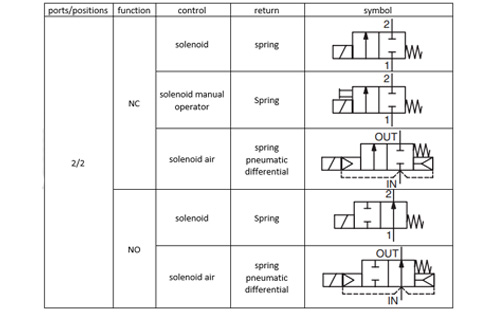
Symbols
[1] A solenoid valve in which the fluid has no direct contact with the solenoid or armature—separation is achieved through a diaphragm, sealing barrier, or encapsulation—making it suitable for corrosive, toxic, high-purity fluids, or generally aggressive fluids.